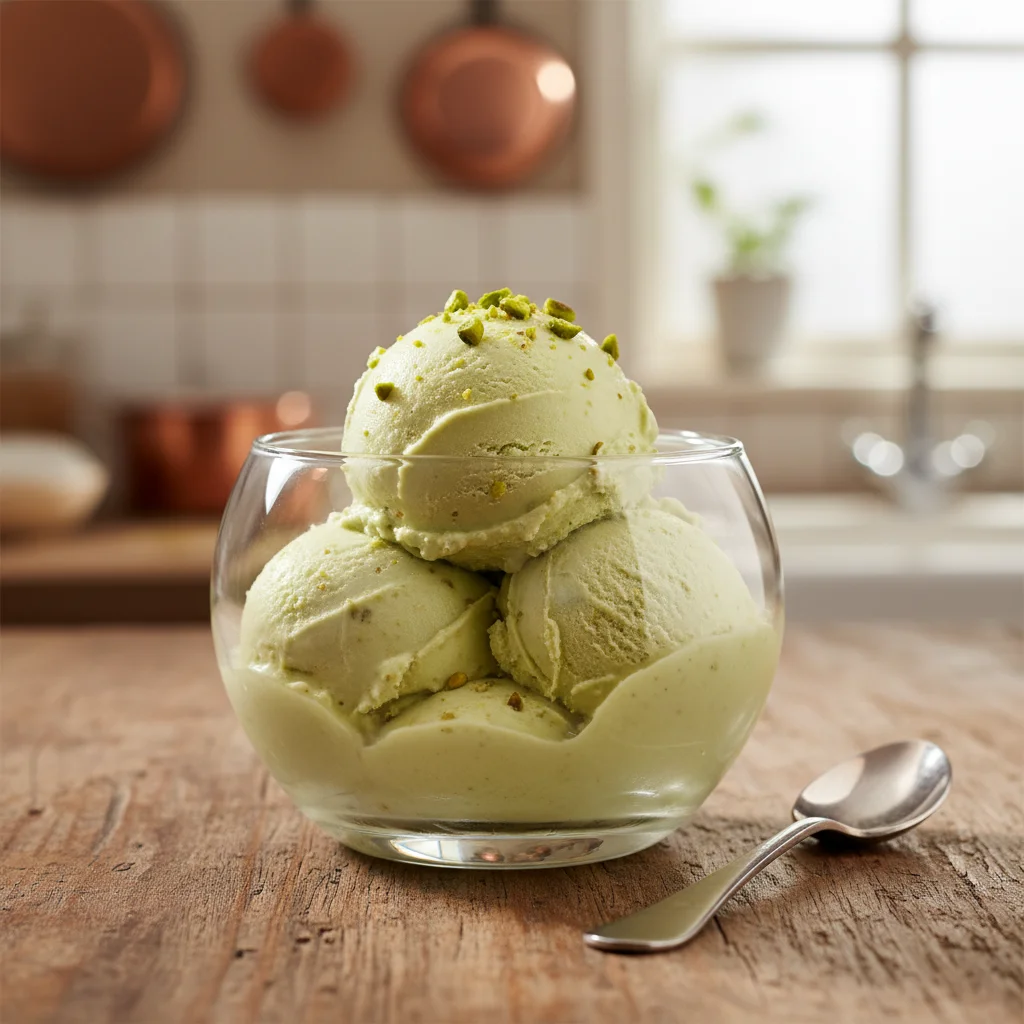
Mastering Gelato: 7 Expert Techniques for Homemade Batches
Unlock the secrets to exceptional homemade gelato with our guide to 7 expert techniques. Learn how to achieve perfect texture and intense flavors, significantly elevating your dessert creations.
By: michael sete on November 4, 2026
Creating authentic, high-quality gelato at home is a culinary endeavor that rewards precision and passion. Many home cooks aspire to replicate the silky texture and intense flavors found in traditional Italian gelaterias. By mastering gelato techniques, you can transform your kitchen into a dessert haven, producing batches that rival professional creations.
This article delves into seven essential techniques designed to significantly enhance your homemade gelato, aiming for a noticeable improvement in quality and enjoyment. From ingredient selection to the final churn, each step plays a crucial role in achieving that coveted creamy consistency and vibrant taste profile.
Understanding Gelato’s Unique Composition
Gelato distinguishes itself from conventional ice cream primarily through its lower fat content, reduced air incorporation, and serving temperature. These factors contribute to its denser, more intense flavor and smoother mouthfeel. Unlike ice cream, which often contains a higher percentage of cream and is churned faster to incorporate more air, gelato relies on a careful balance of milk, sugar, and flavorings, churned slowly to minimize air.
The subtle differences in composition mean that traditional ice cream makers might need slight adjustments in their approach when aiming for true gelato. Recognizing these foundational aspects is the first step towards truly mastering gelato techniques and producing a superior product that delights the senses with every spoonful.
Essential Ingredient Selection and Preparation
Selecting the right ingredients is paramount for exceptional gelato. The quality of your milk, cream, and flavorings directly impacts the final taste and texture. Opt for fresh, high-quality dairy products, and always use ripe, seasonal fruits or premium extracts for optimal flavor.
Use whole milk and a small amount of heavy cream for a balanced fat content.
Measure all ingredients precisely using a kitchen scale for consistent results.
Ensure fruits are at their peak ripeness to maximize natural sweetness and aroma.
Bloom spices or steep aromatics gently to infuse flavors effectively into the base.
Proper ingredient preparation, such as infusing milk with vanilla beans or roasting nuts, further elevates the depth of flavor. This meticulous attention to detail at the outset sets the stage for a truly remarkable gelato experience, ensuring every component contributes to the overall excellence.
The Art of Perfecting the Gelato Base
The gelato base, often referred to as the ‘mix,’ is the foundation of your dessert. A well-prepared base ensures stability, proper texture, and optimal flavor absorption. This involves carefully heating milk, sugar, and stabilizers (if used) to dissolve sugars and pasteurize the mixture, creating a homogenous liquid.
Cooling the base properly and allowing it to mature in the refrigerator for several hours, or even overnight, is a critical step often overlooked. This maturation period allows the ingredients to fully hydrate, flavors to meld, and fats to crystallize, resulting in a smoother, more stable gelato once churned. This patience is key to achieving that signature creamy texture.
Mastering the Churning Process
The churning process is where the liquid base transforms into a semi-solid, scoopable gelato. Unlike ice cream, gelato is churned at a slower speed, incorporating less air. This results in a denser, more intense product with a lower overrun (the amount of air incorporated).
Ensure your gelato machine’s bowl is thoroughly chilled, ideally for at least 24 hours, to facilitate rapid freezing. Churn the gelato until it reaches a soft-serve consistency, typically within 20-30 minutes, depending on your machine. Over-churning can lead to excessive air incorporation, while under-churning can result in an icy texture. The goal is a smooth, thick consistency that holds its shape.
Perguntas Frequentes (FAQ)
Qual a diferença principal entre gelato e sorvete? Gelato possui menos gordura, menos ar incorporado e é servido a uma temperatura ligeiramente mais alta que o sorvete. Essas características resultam em uma textura mais densa e um sabor mais intenso, que são as marcas registradas do gelato italiano.
Preciso de uma máquina de sorvete específica para fazer gelato? Embora algumas máquinas sejam otimizadas para gelato, a maioria das máquinas de sorvete domésticas pode ser usada. O segredo está em ajustar o tempo de batimento para incorporar menos ar e atingir a consistência desejada.
Como posso evitar que meu gelato fique muito gelado ou com cristais de gelo? Garanta que sua base esteja bem resfriada antes de bater e evite abrir e fechar o freezer constantemente. Adicionar uma pequena quantidade de álcool (como licor) ou glicose líquida pode ajudar a baixar o ponto de congelamento e melhorar a textura.
Qual a melhor forma de armazenar gelato caseiro? Armazene o gelato em um recipiente hermético no freezer, pressionando um pedaço de papel manteiga diretamente sobre a superfície para evitar a formação de cristais de gelo. Consuma dentro de uma semana para melhor sabor e textura.
Mastering gelato techniques at home is a rewarding journey that elevates your dessert game significantly. By focusing on quality ingredients, precise base preparation, and careful churning, you can consistently produce gelato that rivals professional standards. The subtle nuances in temperature, air incorporation, and ingredient balance are what transform a simple frozen dessert into an extraordinary culinary experience. Embrace these expert tips, experiment with flavors, and delight in the rich, creamy results that only truly authentic homemade gelato can offer, bringing a taste of Italy directly to your table.