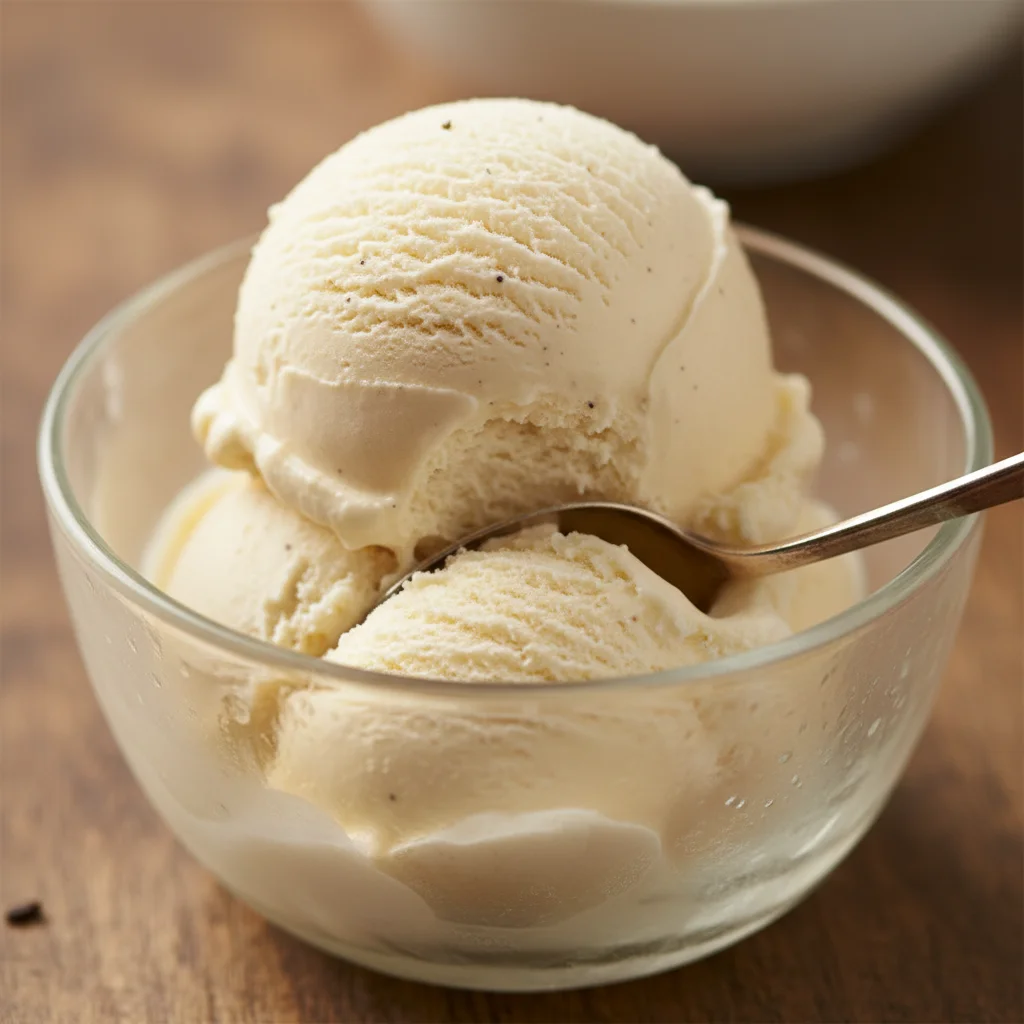
Reduce Ice Crystal Formation for Better Frozen Treats
Achieving perfectly smooth frozen treats requires understanding how to reduce ice crystal formation. This article explores three effective methods, from ingredient selection to freezing techniques, to help you create longer-lasting, more enjoyable desserts with superior texture.
By: michael sete on November 4, 2026
Creating delicious frozen treats often comes down to one critical factor: preventing the formation of large ice crystals. These unwelcome formations can transform a smooth, creamy dessert into a gritty, unappetizing experience. Understanding the science behind freezing and implementing specific techniques can significantly enhance the texture and longevity of your homemade delights, allowing you to consistently produce superior results.
Whether you’re crafting ice cream, sorbet, or popsicles, learning to effectively reduce ice crystal formation is key. This guide will delve into three proven methods that home cooks and professional chefs alike can employ to achieve that coveted silky-smooth consistency, ensuring every bite of your frozen treat is as delightful as intended.
Ingredient Selection and Formulation
The journey to smoother frozen treats begins with thoughtful ingredient selection. Certain components play a crucial role in inhibiting ice crystal growth by lowering the freezing point or interfering with crystal lattice formation. Fats, sugars, and stabilizers are your primary allies in this endeavor, each contributing uniquely to the final texture and stability of the product. High-quality ingredients are not just about flavor; they are fundamental to the structural integrity of your frozen dessert.
For instance, increasing the fat content in ice cream, typically through heavy cream or egg yolks, creates smaller ice crystals by physically impeding their growth and distributing them more evenly. Similarly, various sugars not only add sweetness but also depress the freezing point, requiring colder temperatures to solidify, which results in a softer, less icy product. Balancing these elements is a delicate art that directly impacts the success of your frozen creations.
Controlling Freezing Speed and Temperature
The rate at which your mixture freezes is paramount in determining the size of the ice crystals. Rapid freezing encourages the formation of many small crystals rather than fewer, larger ones, which is desirable for a smooth texture. This principle is why commercial ice cream makers often feature powerful compressors that chill mixtures very quickly, minimizing the time available for large crystal growth. Home cooks can emulate this effect through strategic preparation and proper equipment usage.
Pre-chill your ice cream maker bowl thoroughly, ideally for 24 hours, to ensure maximum coldness.
Ensure your base mixture is completely chilled before churning, preferably refrigerated for at least 4-6 hours or overnight.
Use an ice cream machine that can churn the mixture quickly and efficiently, minimizing exposure to warmer air.
Store your finished frozen treats in the coldest part of your freezer, typically at the back, to maintain a consistent low temperature.
Maintaining a consistent, very cold storage temperature after churning is equally important to prevent crystal recrystallization, a process where small crystals melt and refreeze into larger ones. Fluctuations in freezer temperature, often caused by frequent opening, can quickly degrade the texture of your dessert. A stable, consistently cold environment is crucial for preserving that initial smooth texture for longer periods.
Incorporating Stabilizers and Emulsifiers
Beyond basic ingredients, certain additives, known as stabilizers and emulsifiers, can significantly improve the texture and shelf life of frozen treats by actively interfering with ice crystal formation and growth. While often associated with industrial production, many natural and accessible options are available for the home cook looking to elevate their desserts. These compounds work by binding water, preventing it from forming large crystals, and creating a more stable emulsion.
Common stabilizers include natural gums like guar gum or xanthan gum, which, when used in tiny amounts, can dramatically improve the smoothness and resistance to melting. Emulsifiers, such as lecithin (found in egg yolks or sunflower lecithin powder), help create a uniform mixture of fat and water, preventing separation and contributing to a more homogeneous texture. These ingredients, when used correctly, can provide a noticeable difference in the quality and longevity of your frozen desserts, helping to reduce ice crystal issues.
Optimal Storage Practices
Even after perfecting your recipe and freezing process, improper storage can undo all your hard work, leading to the dreaded large ice crystals. The key to maintaining a smooth texture lies in minimizing temperature fluctuations and preventing exposure to air. An airtight container is your first line of defense against freezer burn and the ingress of moisture, both of which contribute to crystal growth. Always transfer your frozen treat to an appropriate container immediately after churning.
Furthermore, pressing a piece of parchment paper or plastic wrap directly onto the surface of the frozen dessert before sealing the container creates an additional barrier against air. This simple step helps to prevent the formation of a crust of ice crystals on the surface. Storing the container in the coldest part of your freezer, away from the door, ensures a more stable and consistently low temperature, significantly extending the life of your perfectly textured treat.
FAQ
Why do ice crystals form in my homemade ice cream? Ice crystals form when water molecules in your mixture freeze. Large crystals develop due to slow freezing, temperature fluctuations during storage, or insufficient fat/sugar content, which allows water to freely crystallize and grow.
Can I prevent ice crystals without an ice cream maker? While challenging, you can reduce them by stirring the mixture every 30-60 minutes during freezing. This breaks up forming crystals, similar to churning, yielding a smoother, albeit less perfect, result.
What natural ingredients help reduce ice crystals? High-fat dairy (heavy cream, egg yolks), sugars (sucrose, corn syrup, honey), and natural stabilizers like cornstarch or arrowroot powder can all help inhibit crystal growth and improve texture.
How does alcohol affect ice crystal formation? Alcohol significantly lowers the freezing point of water, making it harder for large ice crystals to form. Adding a small amount can result in a softer, less icy frozen treat, but use sparingly to avoid affecting the flavor and consistency too much.
Mastering the art of frozen treats means understanding and actively managing ice crystal formation. By carefully selecting your ingredients, controlling the freezing process, and employing effective storage techniques, you can consistently achieve the smooth, creamy texture that defines exceptional desserts. These proven methods, from incorporating stabilizers to maintaining optimal freezer temperatures, empower you to create longer-lasting and more enjoyable homemade delights. Embrace these principles, and transform your frozen dessert endeavors into a consistently successful and delicious experience, free from the grittiness of large ice crystals.