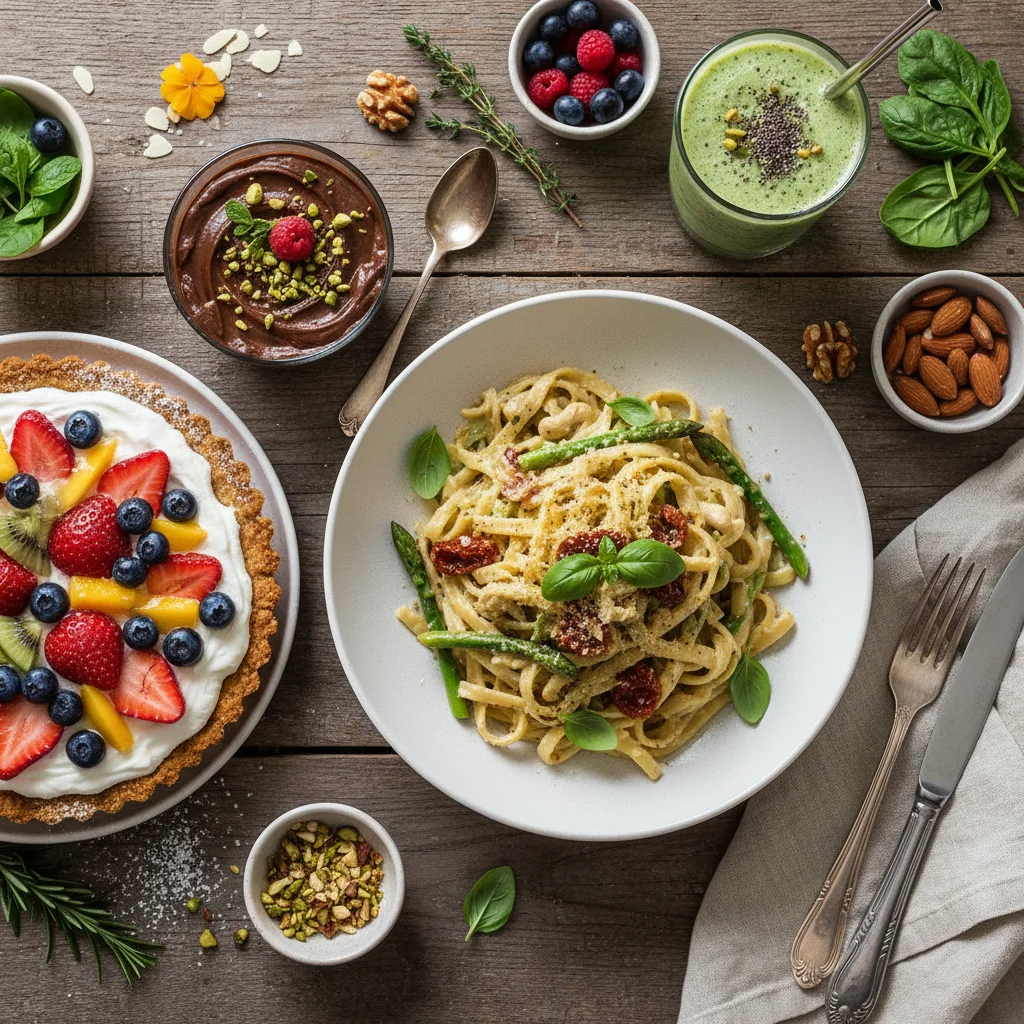
Embark on a culinary journey to create delicious dairy-free delights with this comprehensive guide. Featuring 7 easy-to-follow recipes, this article empowers you to explore a world of flavor without dairy, catering to various dietary preferences and needs. Perfect for those seeking wholesome and satisfying alternatives.
By: michael sete on November 4, 2026
Embracing a dairy-free lifestyle doesn’t mean sacrificing flavor or variety. In fact, it opens up a world of innovative and delicious culinary possibilities. This guide is designed to help you master the art of crafting dairy-free delights, providing a step-by-step approach to creating seven truly delicious recipes that will satisfy your palate and nourish your body.
Whether you’re managing an allergy, intolerance, or simply exploring plant-based options, these recipes demonstrate how easy and enjoyable it can be to cook without traditional dairy products. Prepare to transform your kitchen into a hub of wholesome, flavorful creations that everyone can enjoy.
Understanding Dairy-Free Ingredients
Navigating the dairy-free landscape begins with understanding the array of alternative ingredients available. From plant-based milks to innovative cheese substitutes, the market offers a wealth of options that mimic the texture and taste of their dairy counterparts. Familiarizing yourself with these foundational ingredients is crucial for successful dairy-free cooking and baking, ensuring you can achieve desired results without compromise.
Key alternatives include almond, soy, oat, and coconut milks, each offering unique flavor profiles and culinary applications. For cheeses, cashew-based or nutritional yeast-fortified options provide savory depth, while coconut oil and cocoa butter can replace butter in many recipes. Always check labels for hidden dairy to ensure your choices align with a strictly dairy-free diet.
Essential Tools for Dairy-Free Cooking
Equipping your kitchen with the right tools can significantly simplify the process of preparing dairy-free meals. While many standard kitchen items are perfectly suitable, a few specialized gadgets can enhance your culinary journey, especially when working with plant-based ingredients.
A high-speed blender is invaluable for creating creamy sauces, smooth soups, and perfectly emulsified dressings from nuts and seeds.
A food processor can quickly chop vegetables, make nut butters, and prepare doughs for dairy-free baked goods.
Quality non-stick cookware prevents sticking, which is particularly helpful when cooking with lower-fat dairy alternatives or plant-based oils.
Measuring cups and spoons are essential for precise ingredient ratios, ensuring consistent results in your dairy-free recipes.
Investing in these tools will streamline your cooking, making the creation of complex dairy-free dishes more accessible and enjoyable. They empower you to experiment with various textures and preparations, expanding your repertoire beyond basic meals.
Recipe 1: Creamy Tomato Basil Pasta
This rich and comforting pasta dish proves that dairy-free doesn’t mean flavor-free. The secret lies in a luxurious cashew cream sauce that provides an incredible creaminess without any dairy. It’s a perfect weeknight meal that comes together quickly and satisfies deeply, making it a staple in any dairy-free kitchen.
To prepare, soak a cup of raw cashews for at least 30 minutes, then blend with water, nutritional yeast, garlic, and a touch of lemon juice until silky smooth. Sauté fresh tomatoes and basil, then combine with your favorite pasta and the cashew cream for a restaurant-quality meal.
Recipe 2: Decadent Chocolate Avocado Mousse
Indulge your sweet tooth with this surprisingly simple yet utterly decadent chocolate avocado mousse. Avocados provide a silky smooth texture and healthy fats, while cocoa powder delivers intense chocolate flavor. It’s a guilt-free dessert that’s rich, creamy, and incredibly satisfying.
Combine ripe avocados, unsweetened cocoa powder, a sweetener like maple syrup or agave, and a splash of plant-based milk in a food processor. Blend until completely smooth and airy. Chill for at least 30 minutes before serving, garnished with fresh berries or dairy-free chocolate shavings.
FAQ: Common Dairy-Free Questions
Are all plant-based milks suitable for cooking? While most plant-based milks can be used, their flavor profiles and fat content vary. Unsweetened varieties are generally best for savory dishes, while full-fat options like oat or cashew milk excel in creamy sauces and baking.
How can I replace cheese in my favorite recipes? Nutritional yeast offers a cheesy flavor in sauces and sprinkles. Cashew-based cheeses provide meltable textures, and store-bought dairy-free shredded cheeses are available for convenience in various dishes.
Is dairy-free cooking more expensive? Initially, some specialty dairy-free ingredients can seem pricier. However, focusing on whole foods like nuts, seeds, and vegetables often makes dairy-free cooking quite economical and provides significant health benefits in the long run.
Can I still bake without dairy? Absolutely! Many dairy-free substitutes exist for butter, milk, and even eggs. Plant-based milks, coconut oil, and applesauce are common swaps, allowing for delicious cakes, cookies, and pastries.
Embarking on a dairy-free culinary adventure is an exciting and rewarding experience that promises a world of flavor and health benefits. By understanding key ingredients, utilizing essential tools, and experimenting with these delicious recipes, you can confidently create meals that are both satisfying and free from dairy. Remember that cooking is a journey of discovery, and each dairy-free delight you craft brings you closer to a more inclusive and adventurous palate. Embrace the versatility of plant-based ingredients and enjoy the incredible taste sensations awaiting you.