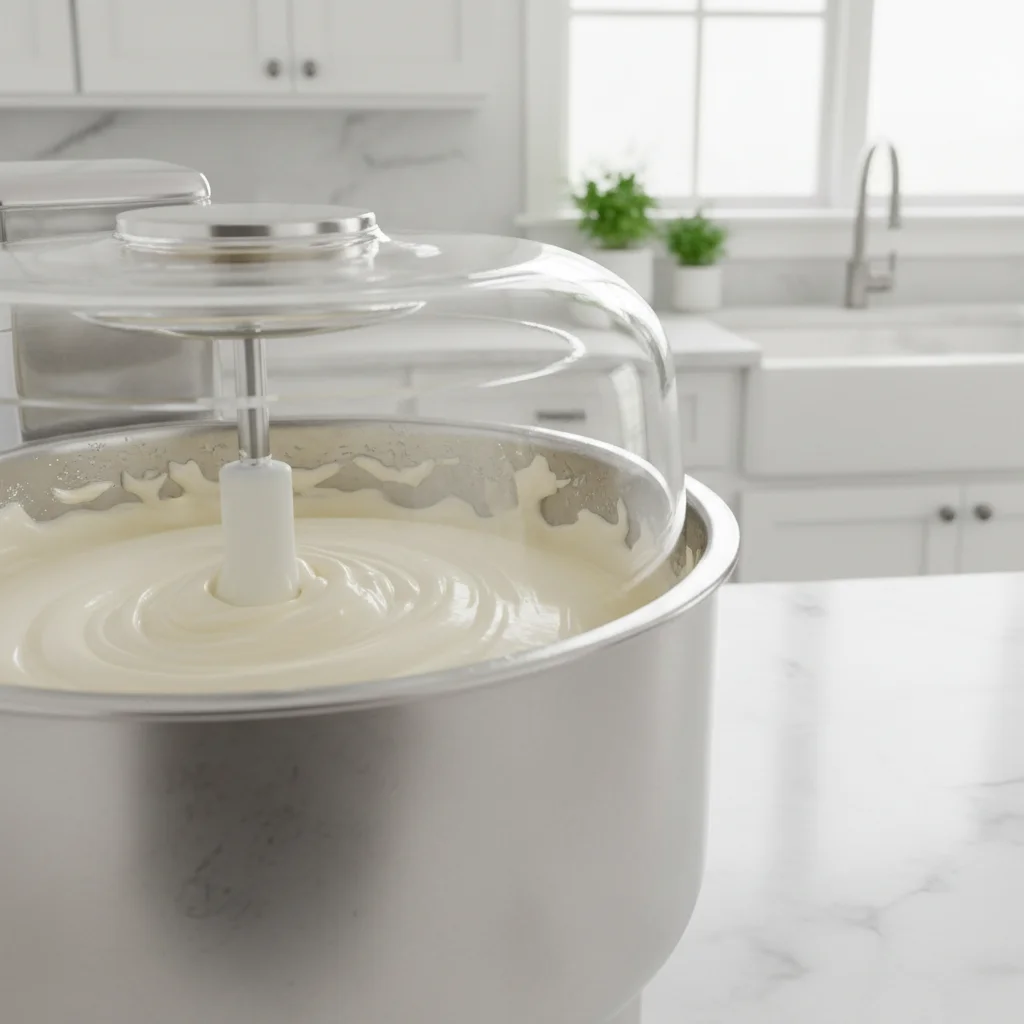
Unlock the full potential of your ice cream maker with simple yet powerful adjustments. This guide provides actionable insights to significantly reduce churn times, leading to creamier, more delicious homemade ice cream.
By: michael sete on November 4, 2026
Achieving perfectly creamy homemade ice cream often comes down to efficiency, and knowing how to optimize ice cream maker settings can make a significant difference. Many home enthusiasts aim for quicker results without compromising quality, making strategic adjustments crucial for an elevated dessert experience.
By implementing a few key techniques, you can significantly reduce the time it takes to churn your favorite frozen treats. This not only saves time but also often results in a smoother, more desirable texture, preventing the formation of large ice crystals that can detract from the overall enjoyment.
Pre-Chilling for Peak Performance
One of the most impactful steps you can take to speed up your ice cream production is thorough pre-chilling. Ensuring all components that will come into contact with your ice cream base are as cold as possible prior to churning creates an optimal environment for rapid freezing. This includes the churn bowl, paddles, and even the base itself if your model allows.
Furthermore, the ice cream base mixture itself should be thoroughly chilled, ideally for at least 4-6 hours, or even overnight, in the refrigerator. A colder starting temperature means the machine has less work to do in bringing the mixture down to freezing point, directly contributing to faster churn times and a superior final product.
Ingredient Temperature and Quality
The temperature of your ingredients plays a critical role in the churning process. Using ingredients that are at their coldest possible temperature, such as milk, cream, and any liquid flavorings, directly impacts how quickly the mixture freezes. Even slight variations can extend churning time unnecessarily.
Ensure all dairy products are taken directly from the coldest part of your refrigerator just before mixing.
Chill any added liquid flavorings or extracts before incorporating them into the base.
Avoid using warm or room-temperature additions, as they will raise the overall temperature of the base.
Opt for high-quality, fresh ingredients, as they tend to emulsify better and freeze more consistently.
Beyond temperature, the quality and fat content of your dairy ingredients can also influence churn speed and final texture. Higher fat content often leads to a creamier result and can sometimes contribute to a more stable freezing process.
Optimal Batch Size and Machine Maintenance
Operating your ice cream maker with the correct batch size is essential for efficiency. Overfilling the churn bowl can hinder the paddles’ ability to properly aerate and freeze the mixture, leading to longer churn times and potentially an inconsistent texture. Always adhere to the manufacturer’s recommended maximum fill line.
Regular maintenance of your appliance also contributes to its optimal performance. Ensure the motor is clean and free of obstructions, and that all moving parts are functioning smoothly. A well-maintained machine will operate more efficiently, helping you achieve those faster churn times consistently.
Environmental Factors and Storage
The ambient temperature of your kitchen can subtly affect the churning process. A cooler kitchen environment reduces the external heat transfer to the churn bowl, allowing the machine to work more efficiently. While not always controllable, being mindful of this can offer a slight advantage.
Once churned, proper storage is paramount for maintaining the texture and preventing ice crystal formation. Transfer your freshly churned ice cream to an airtight container and place it in the coldest part of your freezer for several hours to allow it to harden completely. This ‘curing’ phase is crucial for achieving the desired scoopable consistency.
FAQ
How cold should my ice cream base be before churning? Your ice cream base should be thoroughly chilled to at least 40°F (4°C) or colder. Ideally, refrigerate it for a minimum of 4-6 hours, or even overnight, to ensure optimal starting temperature for faster freezing.
Can I add warm ingredients to my ice cream base? No, adding warm ingredients will raise the overall temperature of your base, significantly increasing churn time and potentially affecting the final texture. Always ensure all additions are well-chilled.
Does the type of ice cream maker affect churn speed? Yes, different types of ice cream makers have varying efficiencies. Compressor models typically churn faster than freezer bowl models because they maintain a consistent low temperature without relying on a pre-frozen bowl.
What is the ideal freezer temperature for hardening ice cream? For optimal hardening and texture, store your freshly churned ice cream in a freezer set to 0°F (-18°C) or colder. This rapid freezing helps prevent large ice crystal formation and ensures a smooth consistency.
Optimizing your ice cream maker for faster churn times is a rewarding endeavor that elevates your homemade frozen desserts. By focusing on meticulous pre-chilling, precise ingredient temperatures, appropriate batch sizes, and consistent machine maintenance, you can consistently achieve superior results. These adjustments not only reduce the waiting period but also contribute to a smoother, more delectable texture, making every scoop a testament to your culinary ingenuity. Embrace these techniques to transform your ice cream making process into an art of efficiency and flavor.