Energy Assistance Programs That Help Reduce Household Costs
Rising utility bills can put a serious strain on a household budget, especially during extreme heat or cold when energy use climbs quickly. The good news is that energy assistance programs that help reduce household costs are available through federal, state, local, and nonprofit sources. These programs can lower monthly bills, prevent service shutoffs, improve home efficiency, and make it easier for families to keep their homes safe and comfortable.
If you’ve ever felt stuck choosing between paying for electricity, heating, groceries, or rent, understanding your options for energy assistance can make a real difference. The key is knowing which programs exist, who qualifies, and how to apply before a bill becomes unmanageable.
What Are Energy Assistance Programs?
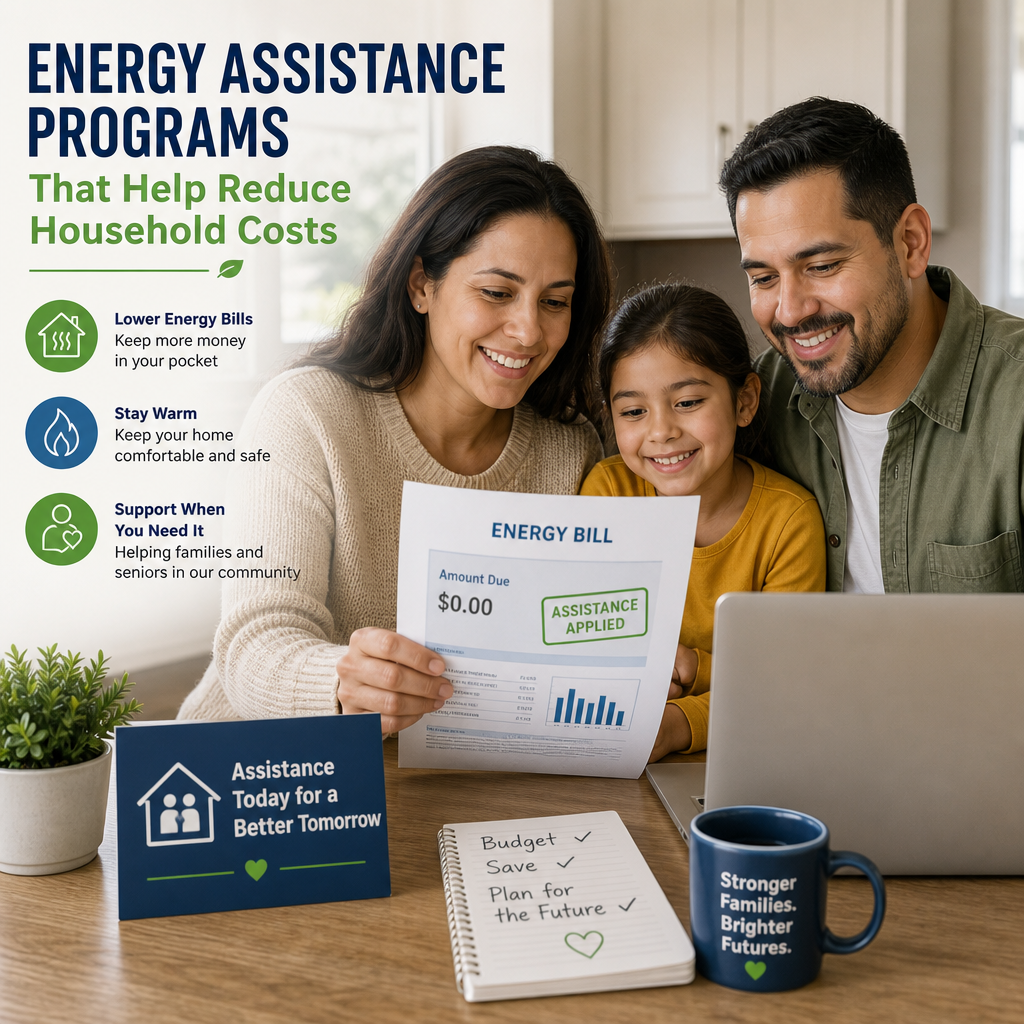
Energy assistance programs are financial and support services designed to help households manage the cost of home energy. Some programs offer direct bill payments, while others focus on weatherization, energy efficiency upgrades, crisis support, or utility discounts.
These programs are often aimed at:
- Low-income households
- Seniors on fixed incomes
- People with disabilities
- Families with young children
- Households facing shutoff notices or heating emergencies
Although many people think of energy aid as a one-time benefit, several programs can provide seasonal or ongoing support. In many cases, assistance is available even if you own your home.
Common Types of Energy Assistance Programs
Not all programs work the same way. Understanding the major categories can help you find the best fit for your situation.
Utility Bill Assistance
This is the most familiar form of help. It provides direct financial support to lower electricity, gas, or heating bills. Some utility companies offer their own customer assistance funds, while others partner with local nonprofits or community action agencies.
Bill assistance may appear as:
- A one-time credit
- Monthly reductions
- Payment plans with reduced penalties
- Arrearage forgiveness for past-due balances
Heating and Cooling Assistance
Some programs are seasonal and designed to help households stay safe during weather extremes. Heating assistance is especially common in winter, while cooling help may be available during summer in hotter regions.
These programs can support:
- Furnace fuel costs
- Emergency heating repairs
- Air conditioning assistance
- Portable cooling units in some cases
Weatherization and Home Energy Efficiency
Weatherization programs help reduce energy use by improving how well a home holds heat or stays cool. This type of support can lower household costs over time, not just for one billing cycle.
Common weatherization services include:
- Insulation
- Air sealing
- Weather stripping
- Duct improvements
- Furnace or boiler tune-ups
- Energy-efficient lighting
This is one of the most valuable forms of energy assistance because it can reduce consumption for years.
Crisis Assistance
If a household faces a shutoff notice, runs out of fuel, or loses heat during dangerously cold weather, emergency energy assistance may be available. Crisis programs are often faster than standard aid, but they may require proof of urgency.
Examples include:
- Emergency bill payment
- Fuel delivery
- Connection or reconnection support
- Temporary shelter in rare situations
Main Energy Assistance Programs to Know
If you’re searching for energy assistance programs that help reduce household costs, these are some of the most important options to explore.
LIHEAP: Low Income Home Energy Assistance Program
LIHEAP is one of the best-known federal energy assistance programs. It helps eligible households with heating and cooling costs, energy crises, and sometimes weatherization support.
LIHEAP is administered by states, tribes, and territories, so the exact benefits and rules vary by location. In general, it may help with:
- Home heating bills
- Cooling bills
- Emergency energy needs
- Utility shutoff prevention
- Energy-related home repairs in limited cases
Because local agencies manage applications, the fastest way to learn about LIHEAP is through your state or local community action office.
Weatherization Assistance Program (WAP)
The Weatherization Assistance Program helps reduce long-term household energy costs by making homes more energy efficient. It is especially useful for older homes, drafty spaces, or households that spend a large share of income on utilities.
WAP may provide:
- Home energy audits
- Insulation and sealing
- Heating system improvements
- Appliance efficiency upgrades
This program is often a strong choice for renters and homeowners, though landlord approval may be needed in rental situations.
Utility Company Assistance Programs
Many electric, gas, and water utilities offer special hardship programs for customers who need help paying bills. These programs vary widely but often include:
- Budget billing
- Deferred payment arrangements
- Income-based discounts
- Shutoff protection for qualifying households
- Donation-funded assistance funds
Some utilities also offer energy-saving kits or free home assessments. Check your bill or the company website for customer assistance sections.
State and Local Energy Relief Programs
In addition to federal assistance, many states and cities run their own programs. These may be tied to general public benefits, housing support, or emergency relief funds.
You may find help through:
- State departments of human services
- County social service offices
- Community action agencies
- Housing authorities
- Faith-based nonprofit organizations
Local programs can be especially helpful because they may process applications faster or cover specific needs not addressed by larger programs.
Who Qualifies for Energy Assistance?
Eligibility usually depends on income, household size, location, and need. Each program has its own rules, but common factors include:
- Household income at or below a certain percentage of the federal poverty level or state median income
- Responsibility for paying home energy costs
- U.S. residency or legal status requirements, depending on the program
- Proof of an energy crisis, in emergency cases
- Receiving other public benefits, which may automatically qualify some applicants
Some programs prioritize households with:
- Older adults
- Children under age six
- Individuals with disabilities
- Households using life-support or medically necessary electric equipment
Even if you think your income is too high, it’s worth checking. Some programs allow moderate-income households to qualify for limited benefits or weatherization support.
How to Apply for Energy Assistance Programs
Applying is usually straightforward, but being prepared can speed things up.
Step 1: Gather Your Documents
Most applications ask for:
- Photo ID
- Social Security numbers or other household identification, if required
- Proof of income for all adults in the household
- Recent utility bills
- Rental agreement or mortgage statement
- Proof of address
- Shutoff notice, if applying for crisis help
Step 2: Contact the Right Agency
The best place to start is often your local community action agency, state human services office, or utility customer assistance department. Some states allow online applications, while others require in-person or mail-in forms.
Step 3: Submit the Application Early
Funding for some programs is limited and may run out before the season ends. Apply as early as possible, especially before winter heating bills or summer cooling costs spike.
Step 4: Follow Up
After applying, check your application status. If the agency requests more documents, respond quickly to avoid delays.
Ways to Lower Energy Costs Beyond Assistance Programs
Energy assistance can help in the short term, but combining aid with smart household habits can stretch your budget further.
Simple Energy-Saving Habits
You can reduce waste with a few practical changes:
- Turn off lights and electronics when not in use
- Use a programmable or smart thermostat
- Wash clothes in cold water
- Run dishwashers and laundry machines with full loads
- Close blinds during hot afternoons
- Seal drafts around windows and doors
- Replace old bulbs with LEDs
Ask Your Utility About Savings Options
Many households miss out on bill reductions because they never ask. Utility companies may offer:
- Budget billing to smooth seasonal spikes
- Time-of-use plans for households that can shift usage
- Energy audits
- Appliance rebates
- Free efficiency kits
Check for Additional Public Benefits
Sometimes energy assistance works best when paired with other support programs such as:
- SNAP
- Medicaid
- Housing assistance
- Senior services
- Disability-related aid
If you qualify for one benefit, you may be eligible for others that ease overall household expenses.
Practical Example: How Assistance Can Help
Consider a family that receives a large winter heating bill and falls behind after an unexpected medical expense. They apply for LIHEAP through a local community action agency and receive a bill credit. The utility also places them on a payment plan, and a weatherization program later seals drafts in the home.
The result is not just one month of relief. The household gains:
- Immediate bill support
- Lower risk of shutoff
- Reduced energy waste
- More manageable monthly expenses going forward
That combination is exactly why energy assistance programs that help reduce household costs are so valuable. They address both urgent needs and long-term affordability.
Tips for Finding the Right Program Quickly
If you need help now, use a focused approach:
- Start with your utility company. Ask about hardship programs, discounts, and shutoff protections.
- Contact your local community action agency. These organizations often process LIHEAP and related aid.
- Check your state human services website. Many states list all available utility assistance resources in one place.
- Ask about weatherization. Even if you don’t qualify for bill assistance, you may qualify for efficiency upgrades.
- Apply before the peak season. Funding is often more available before temperatures become extreme.
Frequently Asked Questions
What is the best energy assistance program for utility bills?
The best-known option is usually LIHEAP, which helps eligible households with heating and cooling costs. However, the best program for you may also include utility company discounts, local emergency aid, or state-specific support. It depends on your income, location, and whether you need immediate help or long-term savings.
Can renters qualify for energy assistance?
Yes, renters can often qualify for energy assistance programs. In some cases, the benefit goes directly toward utility bills the renter pays. Renters may also qualify for weatherization services, although the landlord may need to approve certain improvements.
Do energy assistance programs only help in winter?
No. While many programs are associated with winter heating costs, there are also cooling assistance programs and year-round utility support. Some programs help with emergency shutoffs, fuel costs, and energy efficiency improvements at any time of year.
Is weatherization really worth it?
For many households, yes. Weatherization can reduce energy waste by sealing leaks, adding insulation, and improving heating system efficiency. While the savings vary by home, these upgrades often make monthly bills more manageable and improve comfort throughout the year.
How do I know if I qualify?
Qualification usually depends on income, household size, and energy costs. Some programs also consider age, disability, medical needs, or whether you’ve received a shutoff notice. The safest approach is to apply or contact the local agency even if you are unsure, since rules vary by program and location.
Official Resources
- U.S. Department of Health and Human Services – LIHEAP
- U.S. Department of Energy – Weatherization Assistance Program
- Benefits.gov – Energy Assistance
- National Energy Assistance Directors’ Association
- Consumer Financial Protection Bureau – Tips for Lowering Utility Bills
Conclusion
Energy bills can create real financial pressure, but help is available if you know where to look. From LIHEAP and weatherization support to utility discounts and local crisis aid, energy assistance programs that help reduce household costs are designed to protect both your budget and your home’s comfort. The most effective approach is to combine immediate bill help with longer-term strategies like energy efficiency upgrades and simple conservation habits.
If you are struggling with high utility bills, don’t wait until the next shutoff notice arrives. Start by contacting your utility provider, then reach out to your local community action agency or state human services office to find out which programs fit your situation. Even one approved benefit can ease monthly stress and create breathing room for other essentials. And if you qualify for weatherization or efficiency support, you may keep saving long after the initial assistance ends.