Understanding Credit Reports and Their Impact on Your Financial Life
Your credit report is more than just a financial record—it can shape everything from loan approvals to rental applications. Understanding what it includes and how it works can help you spot issues early and make smarter money decisions.
By: Mary Mitchell on julho 31, 2026
Your credit report plays a much bigger role in your financial life than many people realize. It can influence whether you qualify for a loan, what interest rate you receive, and even whether a landlord or employer sees you as a reliable candidate. If you have ever wondered why lenders ask for your credit history or how to improve your financial standing, learning how credit reports work is a smart place to start.
A credit report is not the same as a credit score, but the two are closely connected. Your report contains the raw information, and your score is a number calculated from that information. Understanding both can help you make better financial decisions, spot errors early, and build stronger long-term money habits.
What Is a Credit Report?
A credit report is a detailed record of your borrowing and repayment history. It is created by credit bureaus using information from banks, credit card companies, lenders, and some public records.
In the United States, the three major credit bureaus are:
Equifax
Experian
TransUnion
Each bureau may collect slightly different information, which means your credit reports may not be identical. That is normal. Lenders often check one or more reports when deciding whether to approve you for credit.
What Information Appears on a Credit Report?
A typical credit report includes:
Your name, address, and Social Security number
Current and past credit accounts
Credit limits and loan balances
Payment history
Late payments, collections, and charge-offs
Hard inquiries from credit applications
Bankruptcies and some public records
Not every financial activity appears on your credit report. For example, most utility payments, rent payments, and everyday debit card spending are not included unless they are reported through a special service or become delinquent and are sent to collections.
Why Credit Reports Matter
Your credit report helps companies decide how risky it might be to lend money to you. A strong report can open doors, while a weak or inaccurate report can create expensive obstacles.
How Lenders Use Credit Reports
When you apply for a mortgage, car loan, credit card, or personal loan, lenders review your credit report to assess:
Whether you pay bills on time
How much debt you already carry
How long you have used credit
Whether you have serious negative marks
How often you apply for new credit
This information helps lenders decide whether to approve you and what terms to offer. Someone with a solid payment history may qualify for lower interest rates, while a borrower with late payments or high balances may face stricter terms.
Other People and Organizations May Review It Too
Your credit report can affect more than loan approvals. Depending on the situation and applicable laws, it may be reviewed by:
Landlords during rental applications
Insurance companies in some states
Employers for certain jobs, with your permission and where allowed by law
Utility companies when opening an account
Because the report affects multiple areas of life, protecting it matters.
Credit Report vs. Credit Score
It is easy to confuse the two, but they serve different purposes.
Credit Report
Your credit report is the full file of your credit activity. It shows the history behind your financial behavior.
Credit Score
Your credit score is a three-digit number, usually based on the information in your credit report. It summarizes your credit risk.
In simple terms:
The report is the story
The score is the summary
Both matter. A good score usually reflects positive information in your report, but if the report contains mistakes, your score may suffer too.
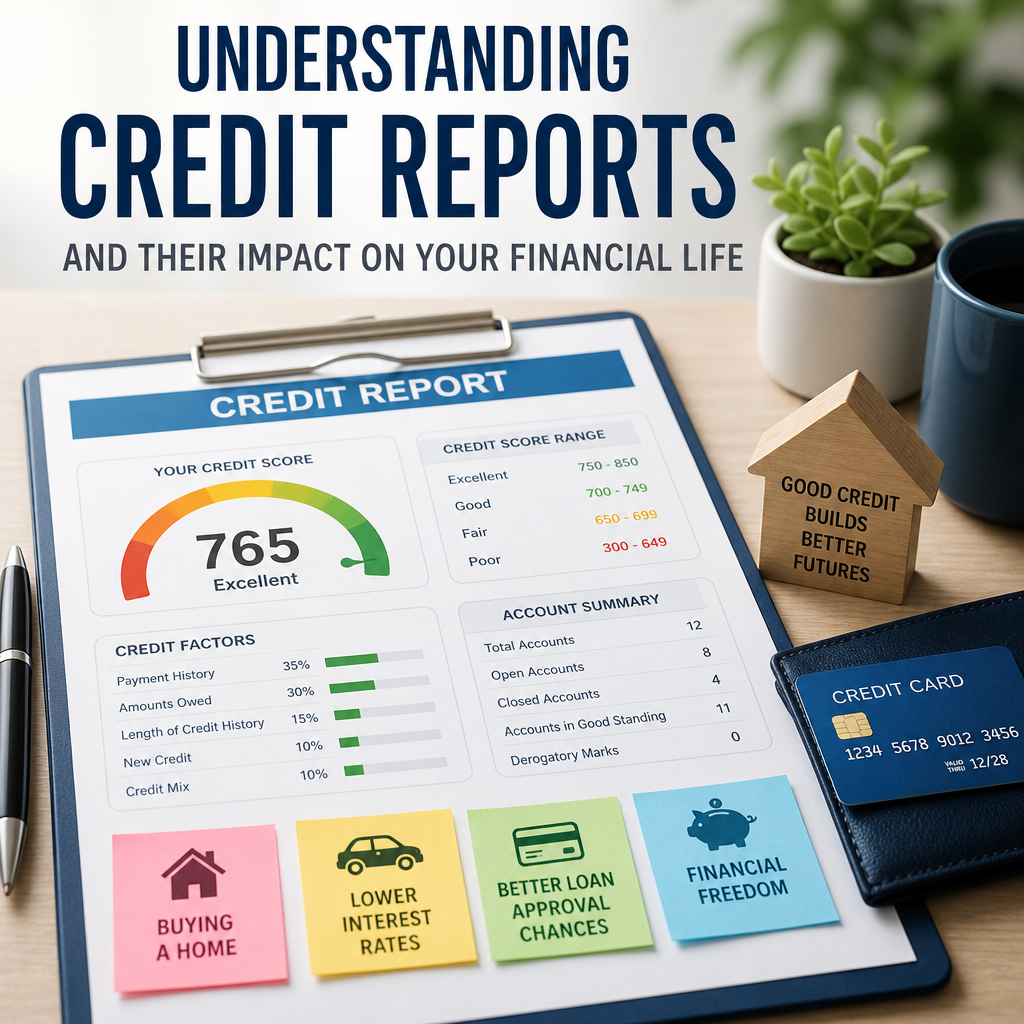
What Factors in a Credit Report Affect Your Financial Life?
Several parts of your report can influence how lenders and others view you.
Payment History
Payment history is one of the most important parts of your credit report. On-time payments suggest reliability. Late payments, missed payments, collections, and defaults can hurt your financial profile for years.
Even one missed payment can create problems, especially if it becomes 30 days or more past due.
Credit Utilization
Credit utilization compares your revolving balances to your credit limits. If you use most of your available credit cards, that can signal financial strain.
For example:
A credit card with a $10,000 limit and a $2,000 balance has 20% utilization
A credit card with a $10,000 limit and a $9,000 balance has 90% utilization
Lower utilization is generally viewed more favorably.
Length of Credit History
Older accounts can strengthen your report because they show a longer track record. This is why many financial experts suggest keeping old accounts open when possible, especially if they have no annual fee and you can manage them responsibly.
Credit Mix
Having different types of credit—such as credit cards, auto loans, and student loans—may help show that you can handle various forms of borrowing. Still, this factor usually matters less than payment history and balances.
New Credit and Inquiries
When you apply for credit, lenders may perform a hard inquiry. Too many hard inquiries in a short time can suggest you are taking on a lot of new debt, which may concern lenders.
Soft inquiries, such as checking your own report, do not hurt your credit.
How to Get and Review Your Credit Reports
You have the right to access your credit reports, and reviewing them regularly is one of the best ways to protect your finances.
Where to Get Your Reports
In the U.S., you can request free weekly credit reports from the major bureaus through AnnualCreditReport.com, the official site authorized for this purpose.
It is wise to check all three reports because each bureau may contain different information.
What to Look For
When reviewing your report, check for:
Incorrect account balances
Accounts that do not belong to you
Missed payments that you made on time
Closed accounts reported as open
Duplicate debts
Wrong personal information
Unknown hard inquiries
Even a small error can affect your score and borrowing opportunities.
How Often Should You Check?
A practical habit is to review at least one report every few months, rotating through the three bureaus. That way, you monitor your credit year-round without overwhelming yourself.
Common Credit Report Problems
Mistakes happen more often than people think. Your credit report may contain errors because of clerical issues, mixed files, identity theft, or reporting delays.
Examples of Common Errors
A payment marked late when it was paid on time
An account you never opened
A balance reported incorrectly
A debt that was already paid or settled
Personal information mixed with someone else’s file
Why Errors Matter
If a report error lowers your credit score or makes you look riskier than you are, you may pay more for borrowing or be denied credit altogether. That is why regular review is so important.
How to Dispute Errors on Your Credit Report
If you find a mistake, act quickly. You can dispute inaccurate information with the credit bureau and, in many cases, with the company that provided the information.
Steps to Dispute an Error
Gather supporting documents
Keep statements, letters, payment confirmations, or identity documents that support your case.
Contact the credit bureau
File a dispute online, by mail, or by phone if available.
Contact the furnisher of the information
This may be the bank, lender, or collection agency that reported the item.
Follow up
Track the dispute and keep copies of everything you send.
Review the result
If the information is inaccurate, it should be corrected or removed.
The Fair Credit Reporting Act gives consumers important rights related to accuracy and dispute handling.
How to Improve Your Credit Report Over Time
A healthier credit report does not happen overnight, but steady habits can improve it.
Build Positive Payment History
Pay every bill on time, especially loans and credit cards. If needed, set reminders or automatic payments for at least the minimum amount due.
Keep Balances Manageable
Try not to max out your credit cards. Paying down revolving balances can help your credit utilization and improve how your report looks to lenders.
Avoid Too Many Applications
Only apply for new credit when necessary. Multiple applications in a short time can add hard inquiries and suggest financial stress.
Keep Older Accounts in Good Standing
If possible, maintain older credit accounts with positive histories. A long, responsible history often helps your overall profile.
Use Credit Responsibly
Credit can help you build a stronger financial life when used wisely. That means borrowing only what you can repay and treating every account as a long-term responsibility.
How Credit Reports Affect Major Financial Goals
Your credit report can influence some of the biggest decisions you make.
Buying a Home
Mortgage lenders pay close attention to payment history, debt levels, and recent credit activity. A better report may improve your chances of approval and help you qualify for a lower rate.
Financing a Car
Auto lenders often use your credit report to determine loan terms. A cleaner report can mean smaller monthly payments and less interest over time.
Renting an Apartment
Many landlords use credit reports to judge whether a tenant is likely to pay rent on time. Poor credit may require a larger deposit or a co-signer.
Starting or Growing a Business
Some business lenders review personal credit, especially for small business owners. A strong report can help you secure startup funding or business credit lines.
Lowering Insurance Costs in Some Cases
Some insurers use credit-based factors, where allowed, to help set premiums. Better credit habits may contribute to better pricing depending on your location and the insurer’s policies.
Smart Habits for Long-Term Credit Health
Good credit management is less about quick fixes and more about repeatable habits.
Practical Habits to Follow
Pay bills on time every month
Keep credit card balances low
Check reports regularly
Dispute errors promptly
Avoid closing old accounts without a reason
Borrow only when necessary
Create a budget to support consistent repayment
These habits support not only your credit report but also your broader financial stability.
Frequently Asked Questions
1. How is a credit report different from a credit score?
A credit report is a detailed record of your credit accounts, payment history, and related information. A credit score is a number created from that data to summarize your credit risk. The report provides the facts, while the score gives lenders a quick snapshot.
2. How often should I check my credit report?
It is a good idea to check your credit reports at least a few times per year. You can rotate between the three major bureaus so you stay informed without constantly checking the same file. If you are planning to apply for a loan or suspect identity theft, check more often.
3. What should I do if I find an error on my credit report?
Gather documents that support your case and file a dispute with the credit bureau reporting the error. You can also contact the company that supplied the information. Keep copies of everything, and follow up until the issue is resolved.
4. Can checking my own credit report hurt my score?
No. Checking your own report creates a soft inquiry, which does not affect your credit score. In fact, reviewing your report regularly is a smart financial habit.
5. How long do negative items stay on a credit report?
The length of time depends on the type of item. Late payments, collections, and most other negative marks can remain for several years, while bankruptcies may stay longer. Even though negative items eventually age off, their impact can fade over time as you build positive history.
Understanding your credit report is one of the most practical steps you can take toward better financial health. It affects how lenders, landlords, insurers, and sometimes employers view your reliability. More importantly, it gives you a clear picture of how your borrowing habits are shaping your future.
The good news is that credit reports are not fixed forever. If you pay bills on time, keep balances under control, limit unnecessary applications, and review your reports regularly, you can strengthen your financial profile over time. Just as important, checking your reports helps you catch mistakes or signs of identity theft before they cause bigger problems.
Whether you are preparing to buy a home, apply for a credit card, or simply improve your money habits, start by knowing what is in your file. A credit report is more than paperwork—it is a financial reputation that you can monitor, protect, and improve with consistent effort.
Mary S, CFP®, is a Certified Financial Planner with over 12 years of experience in personal finance, retirement planning, and wealth management. She writes educational content that helps readers understand financial concepts and make informed decisions based on reliable information.