Understanding Emergency Funds: Why Every Household Needs One
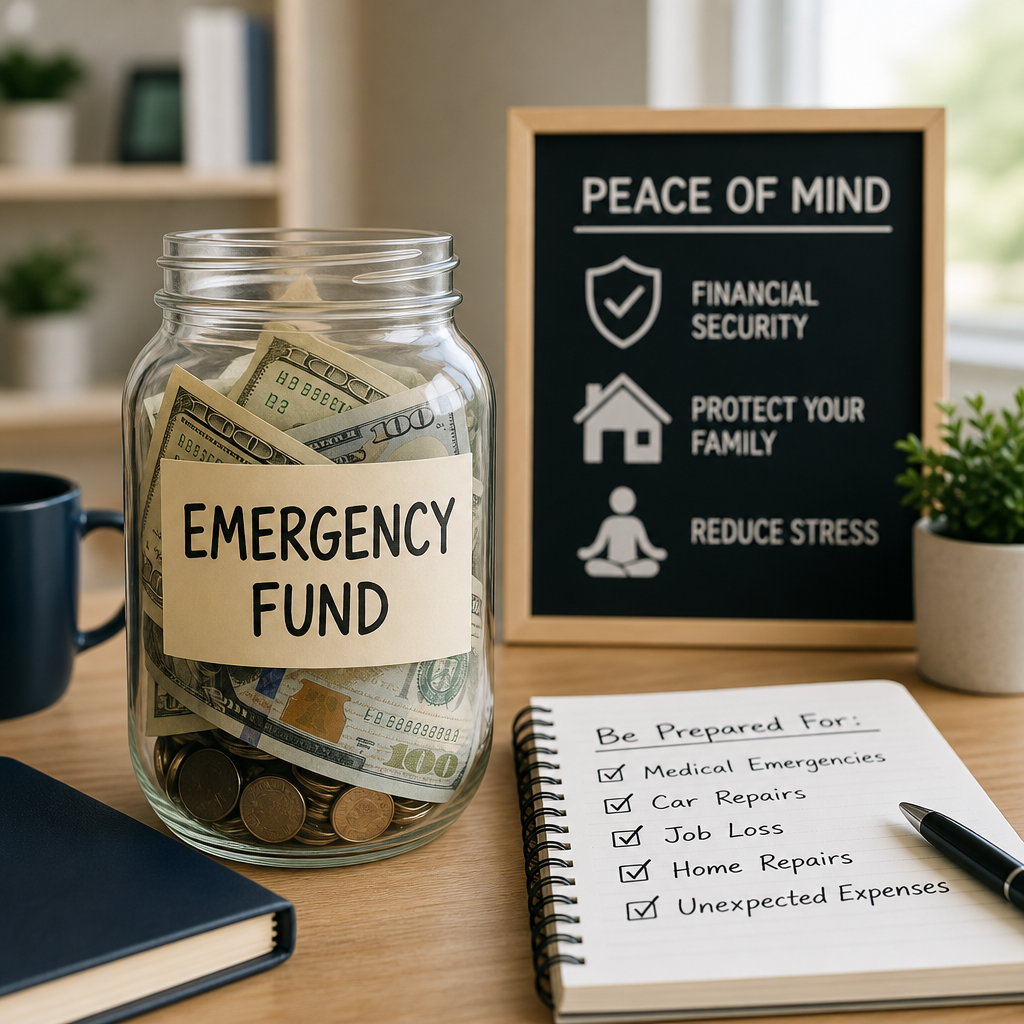
An emergency fund is one of the easiest ways to protect your household from life’s unexpected costs, whether it’s a car repair, medical bill, or sudden loss of income. Even a small emergency fund can bring peace of mind and help you avoid debt when surprises happen.
By: Mary Mitchell on julho 31, 2026
Life has a way of surprising us at the worst possible time. A car repair lands right after a holiday, a medical bill arrives before payday, or a job loss turns a routine month into a financial emergency. That is exactly why emergency funds matter. An emergency fund gives your household a financial cushion so unexpected expenses do not force you into high-interest debt, missed bills, or panic-driven decisions.
If you have ever wondered whether an emergency fund is really necessary, the answer is yes—almost every household can benefit from one. It is one of the simplest and most effective tools for building financial stability, even if you start small.
What Is an Emergency Fund?
An emergency fund is money set aside specifically for unexpected, necessary expenses. It is not for vacations, holiday shopping, or planned purchases. Instead, it is a reserve for situations that are urgent, unplanned, and difficult to cover from your regular monthly budget.
Common examples include:
Sudden medical or dental costs
Car repairs needed to get to work
Home repairs, such as a leaking roof or broken furnace
Temporary job loss or reduced work hours
Emergency travel for family needs
A good emergency fund is easy to access but separate from your everyday spending account. That separation helps you avoid dipping into it for non-emergencies.
Why Emergency Funds Matter for Every Household
Many people think emergency funds are only for those with large incomes or complex finances. In reality, they are valuable for nearly every household, regardless of income level.
They reduce financial stress
When an unexpected expense comes up, having savings already in place lowers anxiety. Instead of asking, “How will I pay for this?” you can focus on solving the problem.
They help you avoid debt
Without emergency savings, many households rely on credit cards, personal loans, or payday loans. Those options can create additional financial pressure because interest and fees make the original problem more expensive.
They protect your long-term goals
A surprise expense can derail progress on retirement contributions, home savings, or education goals. Emergency funds help you stay on track by absorbing the shock of short-term disruptions.
They support better decision-making
Financial pressure can lead to rushed choices. A healthy emergency fund gives you breathing room to compare options, ask for help, or wait for a better solution.
How Much Should an Emergency Fund Be?
There is no single perfect number for every household. The right amount depends on your income stability, monthly expenses, family size, and lifestyle.
A common starting point is to save enough to cover:
Three to six months of essential expenses for many households
At least a small starter fund if you are just beginning
More than six months if your income is irregular or your household has higher risk factors
Start with essentials
When calculating your emergency fund target, focus on necessities:
Rent or mortgage
Utilities
Groceries
Transportation
Insurance
Minimum debt payments
Childcare or other required family expenses
This approach gives you a practical number based on what you would truly need to keep life running during a crisis.
A smaller goal still counts
If saving three to six months of expenses feels overwhelming, begin with a starter fund of $500 or $1,000. That amount can handle many common emergencies and create momentum. The important thing is to begin.
Where Should You Keep Your Emergency Fund?
Your emergency fund should be both safe and accessible. That means you do not want it tied up in investments that can lose value or be difficult to access quickly.
Good options include:
High-yield savings accounts
Regular savings accounts
Money market accounts with easy access
Why not invest it?
Emergency funds are not meant for growth. They are meant for readiness. The stock market can rise and fall, and you may need the money at a time when your investments are down. For that reason, liquidity and stability matter more than returns.
Keep it separate
It helps to keep your emergency fund in a separate account from checking. That makes it easier to avoid accidental spending and clearer to track your progress.
How to Build an Emergency Fund Step by Step
Building emergency funds does not happen overnight, but it does happen faster when you use a simple plan.
1. Set a realistic goal
Choose a number that fits your current situation. If your finances are tight, start with a starter goal instead of trying to save months of expenses immediately.
2. Automate savings
Set up an automatic transfer from checking to savings each payday. Even a small amount—such as $25 or $50 per paycheck—can add up over time.
3. Use windfalls wisely
Tax refunds, bonuses, cash gifts, and side income can help you build your fund faster. Consider directing a portion of any unexpected money toward savings.
4. Cut one or two expenses temporarily
You do not need to overhaul your entire budget. Instead, free up a little extra money by pausing a subscription, eating out less often, or trimming a nonessential category.
5. Save in phases
Some households save in stages:
Starter fund of $500 to $1,000
One month of expenses
Three months of expenses
Larger reserve if needed
This staged approach makes the process feel more manageable.
What Counts as a True Emergency?
A useful way to protect emergency funds is to define what qualifies before you need the money.
A true emergency is:
Unexpected
Necessary
Time-sensitive
Not part of normal monthly spending
Examples:
A broken water heater
A major dental procedure
A job loss
Emergency car repairs
Not usually an emergency:
A sale on furniture
Vacation deals
Holiday gifts
Upgrading your phone early
Routine annual expenses you could have planned for
A clear definition helps prevent “savings leakage,” where money disappears on expenses that were not truly urgent.
Emergency Funds and Different Household Situations
Not every household faces the same risks, so emergency fund planning should reflect real life.
Single-income households
If one income supports the entire home, an emergency fund becomes even more important. Job loss or illness can affect the entire budget immediately.
Families with children
Households with children often need extra flexibility for childcare changes, school needs, medical visits, and transportation surprises.
Freelancers and self-employed workers
Irregular income can make cash flow unpredictable. In these cases, a larger emergency fund may be appropriate because income gaps can happen without warning.
Renters and homeowners
Homeowners may need a larger cushion because they are responsible for repairs. Renters may face fewer maintenance costs but still need protection from income disruptions or medical bills.
Common Mistakes to Avoid
Even households that understand the value of emergency funds sometimes run into avoidable problems.
Saving too little and stopping
A small fund is better than none, but do not stop once you reach your starter amount if your household still needs more protection.
Keeping it too accessible
If your emergency fund sits in the same account as your spending money, it is easier to use it for non-emergencies.
Using it for predictable expenses
Car insurance, annual subscriptions, and school supplies are not emergencies if you know they are coming. Those belong in your regular budget or sinking funds.
Failing to replenish it
If you use part of your emergency fund, rebuild it as soon as possible. Otherwise, the next crisis may leave you exposed again.
How Emergency Funds Fit Into a Healthy Budget
Emergency funds work best when they are part of a broader financial system. They are not a replacement for budgeting; they are a support for it.
A strong household budget usually includes:
Monthly fixed expenses
Variable spending categories
Debt payments
Long-term savings
Emergency savings
Emergency funds and sinking funds are different
A sinking fund is for planned but irregular expenses, such as car registration, holiday spending, or annual insurance premiums. An emergency fund is only for truly unexpected events.
Using both gives your budget more stability and helps you avoid draining your savings for expenses you could have anticipated.
Practical Examples of Emergency Fund Use
Sometimes the best way to understand emergency funds is to see them in action.
Example 1: Unexpected car repair
A family’s only car needs a $900 repair so the commuter can keep working. Because they have an emergency fund, they pay the bill without using a credit card.
Example 2: Medical expense
A household faces an urgent dental procedure not fully covered by insurance. Their savings help them cover the cost without delaying treatment or going into debt.
Example 3: Temporary income loss
A worker loses a job and needs time to find new employment. Emergency savings cover groceries, rent, and utilities while they search for work.
In each case, the emergency fund turns a major setback into a manageable problem.
How to Stay Motivated While Building Your Fund
Saving for emergencies can feel slow, especially when other financial priorities compete for attention. A few practical habits can help.
Track your progress visually
Celebrate small milestones
Keep your goal simple and visible
Treat contributions like a recurring bill
Remind yourself what the money is protecting
It also helps to connect the fund to real life. You are not just saving money—you are buying peace of mind, flexibility, and time.
Frequently Asked Questions
1. What is the main purpose of an emergency fund?
The main purpose of an emergency fund is to cover unexpected, necessary expenses without using debt or disrupting your regular budget. It acts as a financial safety net for situations like job loss, medical bills, or urgent home and car repairs.
2. How much should I save in an emergency fund first?
If you are just starting out, aim for a small starter fund of $500 to $1,000. Once you build that base, work toward saving three to six months of essential expenses. The right target depends on your household situation and income stability.
3. Where is the best place to keep emergency funds?
The best place to keep emergency funds is in a separate, accessible savings account, such as a high-yield savings account or money market account. You want the money to be safe, easy to access, and separate from your everyday spending.
4. Can I use my emergency fund for planned expenses?
No, emergency funds should be reserved for unexpected and necessary expenses. Planned costs like vacations, holiday shopping, or annual insurance premiums are better handled through a regular budget or sinking fund.
5. What should I do after using my emergency fund?
After using your emergency fund, rebuild it as soon as your budget allows. Resume automatic transfers if possible and treat replenishing the fund as a priority so you are protected if another emergency happens.
Emergency funds are one of the most practical tools a household can have. They do not eliminate life’s surprises, but they make those surprises much easier to handle. Whether you are dealing with a car repair, a medical bill, or a temporary loss of income, having money set aside gives you choices. That flexibility can prevent debt, reduce stress, and protect the progress you have already made toward other goals.
The best part is that building an emergency fund does not require perfection. You can begin with a small amount, save consistently, and grow your cushion over time. What matters most is starting and staying committed. If your household does not yet have an emergency fund, now is the right time to take the first step. Even a modest reserve can make a meaningful difference when life gets unpredictable. Over time, that reserve becomes more than savings—it becomes stability, confidence, and peace of mind.
Mary S, CFP®, is a Certified Financial Planner with over 12 years of experience in personal finance, retirement planning, and wealth management. She writes educational content that helps readers understand financial concepts and make informed decisions based on reliable information.